Invoicing and payment
What triggers an invoice, what delays it, and what mandatory electronic invoicing changes.
3 articles
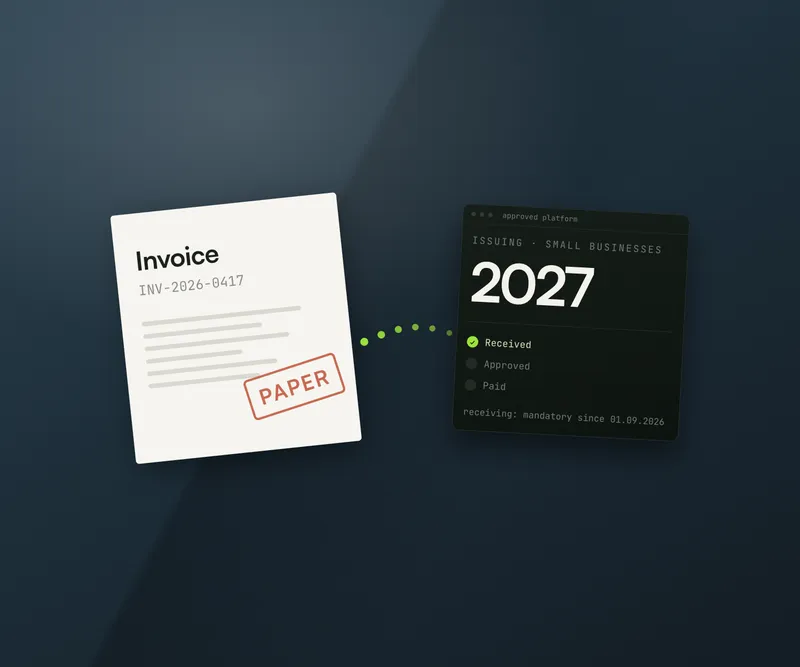
Since September 1, 2026, every business liable for VAT in France must be able to receive an electronic invoice. The obligation to issue follows on September 1, 2027 for smaller businesses. This isn't a recommendation, and it is your supplier who decides when they send you theirs.
Choosing an approved platform is an off-the-shelf purchase, not a project: the approval and its upkeep are the product. What takes work is everything around it — counterparty master data, the approval circuit, and the link with whatever triggers the invoice.
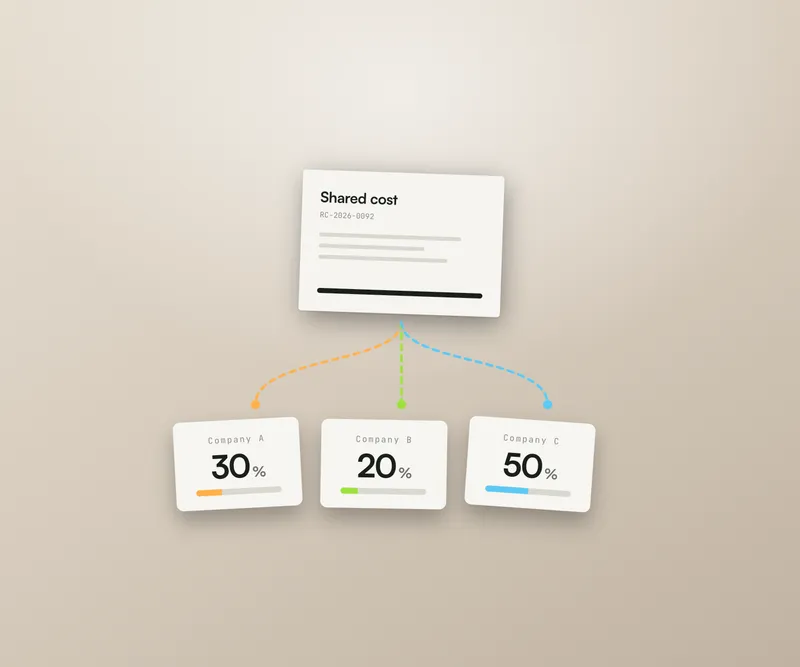
This section also covers recharging between companies in a group, a process almost no software covers because the difficulty there is not the invoice but the allocation key.
 Jérôme KnopsRead the article
 Jérôme KnopsRead the article
 Jérôme KnopsRead the article


How many days between finishing the work and invoicing?
Talk it through